
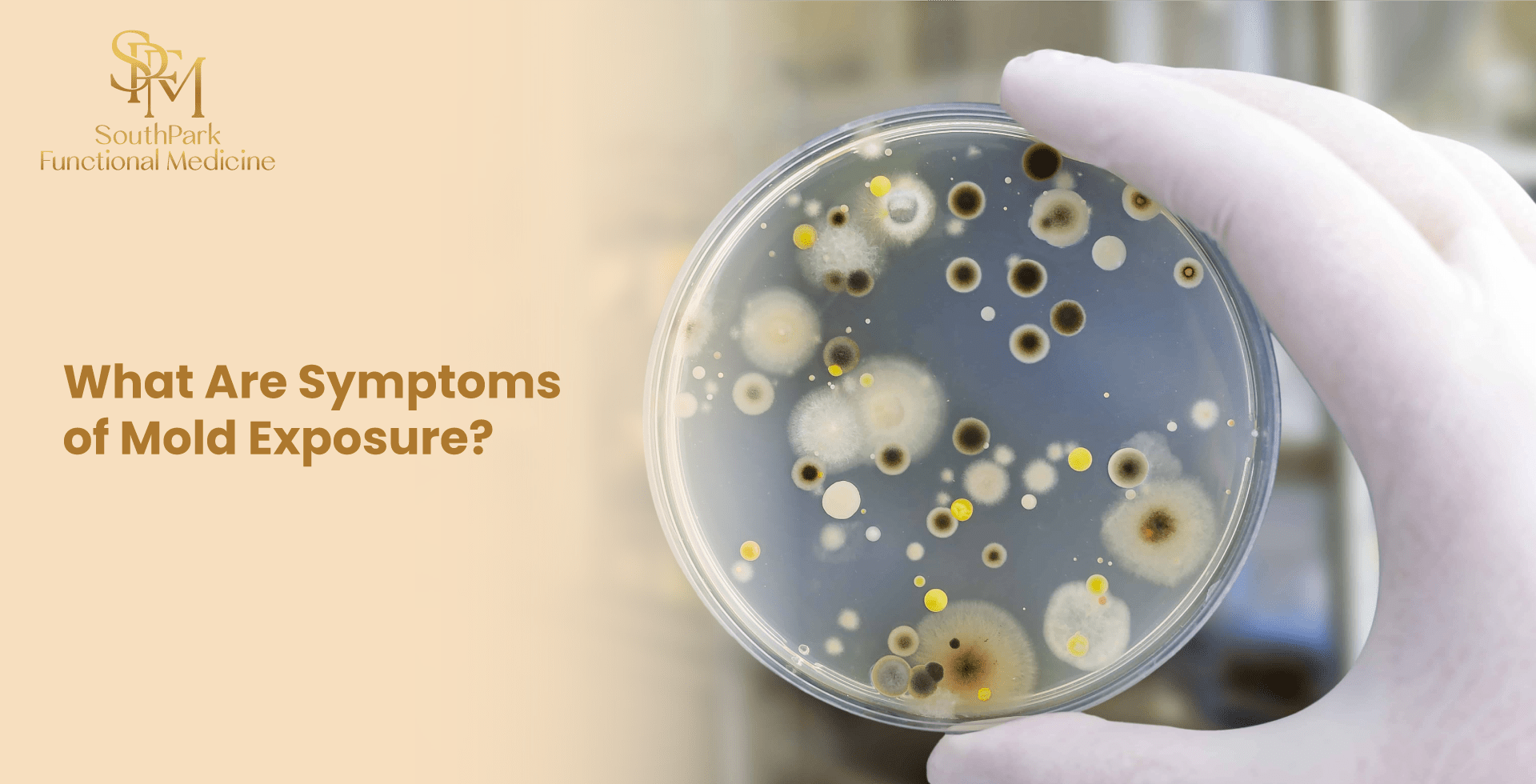
Mold is a fungus and a natural part of our environment because it can grow in places where moisture and oxygen are present. It is also a toxin and can cause a wide range of symptoms and health issues when breathed in over a period of time.
Addressing mold problems in your home can often help reduce your symptoms, as can working with a mold specialist doctor. Here are signs and symptoms of mold exposure, and what you can do if you think mold is affecting your health.
Symptoms of Mold Exposure
Allergy-like symptoms are the most common symptoms of excess mold exposure. Symptoms vary from person to person, and typically include:
- Nasal congestion
- Runny nose
- Cough
- Sneezing
- Headache
- Difficulty breathing
- Wheezing
- Itching, watery eyes
- Skin problems, such as rash
- Throat irritation
Mold-Induced Asthma
Mold can trigger asthma in those who are allergic to mold spores—a condition known as “allergic asthma.” Symptoms of mold-induced asthma include:
- Wheezing
- Coughing
- Tightness in the chest
- Shortness of breath
- Difficulty breathing
10 Warning Signs of Mold Toxicity

Mold toxicity can affect nearly every bodily system. Here are 10 common warning signs:
- Respiratory issues include asthma, difficulty breathing, wheezing, and coughing.
- Allergic reactions, including watery eyes, sneezing, nasal congestion, and other allergy-related symptoms.
- Skin problems, such as itching, rash, and hives, are common after direct contact with mold.
- Eye irritation can include symptoms such as itching, dryness, and vision problems.
- Brain fog and cognitive issues, including mental cloudiness, memory problems, and poor concentration.
- Neurological symptoms. Some types of mold directly affect the central nervous system (CNS) to cause symptoms. In contrast, others trigger the release of mycotoxins, leading to a wide range of cognitive deficits.
- Mood swings and depression. Mycotoxins implicated in mold toxicity may cause mood changes and contribute to irritability, anxiety, and depression.
- Fatigue and weakness.
- Digestive issues. Mycotoxins can impair your gut health and upset the gut microbiome, leading to nausea, vomiting, diarrhea, constipation, and bloating.
- Sensitivity to light and noise.
How To Get Tested for Mold Exposure
There is no single definitive test that can reveal whether your symptoms are being caused by mold exposure. Your general physician may review your medical history and perform a blood or skin prick test to see if you are allergic to mold. However, these diagnostic methods are often insufficient to identify the underlying causes of your symptoms.
A mold specialist doctor can perform a variety of tests to determine whether mold exposure is causing health problems. These doctors, who also specialize in functional medicine, can identify the type and level of mycotoxin exposure and evaluate the functioning of your body’s detox abilities.
Some diagnostic tests a mold specialist doctor may perform include:
- Mycotoxin tests are used to check for the presence of mycotoxins in urine.
- The C4A test is used to check for elevated C4A levels. C4A is a protein activated when bacteria, mold, and fungi send the immune system into overdrive.
- The MMP-9 test is used to check for inflammation and tissue breakdown related to mold exposure.
- The TGFbeta1 test is used to determine whether levels of this marker are too high, which may indicate mold toxicity.
Your provider may also use other tests to diagnose mold toxicity based on your symptoms, test results, and other factors.
Treatments for Mold Exposure
A good first step to take when treating mold exposure is to address the mold problems in your environment. This may involve improving ventilation in your home or addressing water damage.
From a functional medicine standpoint, a mold specialist doctor can develop a personalized treatment plan to help you detox from mold toxicity. Treatments may include:
- Nutritional supplementation helps destroy free radicals and correct nutritional imbalances in the body.
- An anti-inflammatory diet supports the body’s natural detox process and restores a healthy balance to the gut.
- Fungal infection treatment addresses any underlying fungal infections driving and exacerbating mold toxicity.
Treating Mold Toxicity with South Park Functional Medicine
If you experience symptoms of mold toxicity, Dr. Mahtani, our mold specialist doctor, can work with you to identify and treat its root causes. Contact South Park Functional Medicine at 980-414-4600 or email us at reception@southparkfm.com to request a consultation and learn more about the benefits of integrative medicine in Charlotte, NC.
