
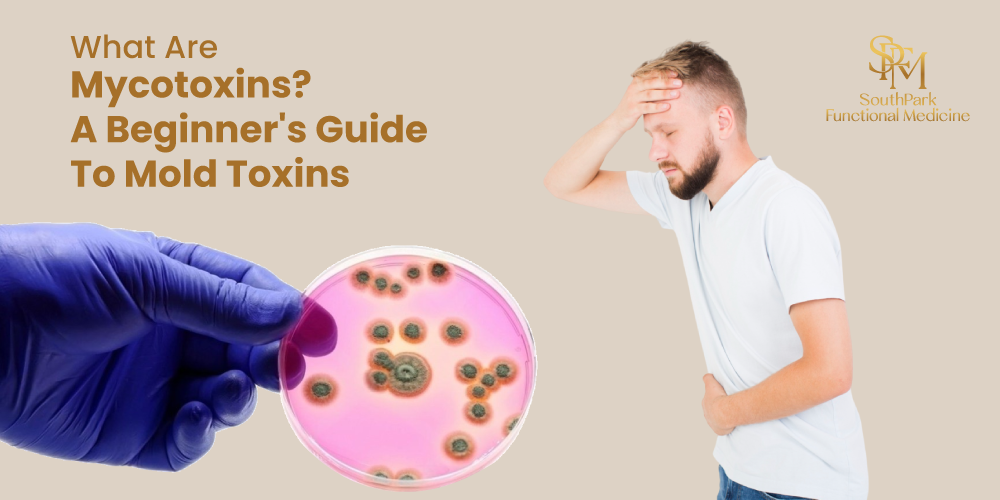
Mycotoxins are poisonous toxins produced by mold and fungi. Many of us are exposed to them on a regular basis in our everyday environments.
Over time, with repeated exposure, mycotoxins can build up in the body to cause a range of symptoms and ailments. Digestive issues, lowered immunity, and lung damage are just some of the many conditions linked to mycotoxin exposure.
Understanding mycotoxins and knowing how to recognize signs of toxicity can help you determine whether your symptoms are truly related to these harmful metabolites. Our beginner’s guide to mold toxins can help you navigate this condition and reduce your risk for future poisoning and health issues.
Comprehending Mold and Its Products
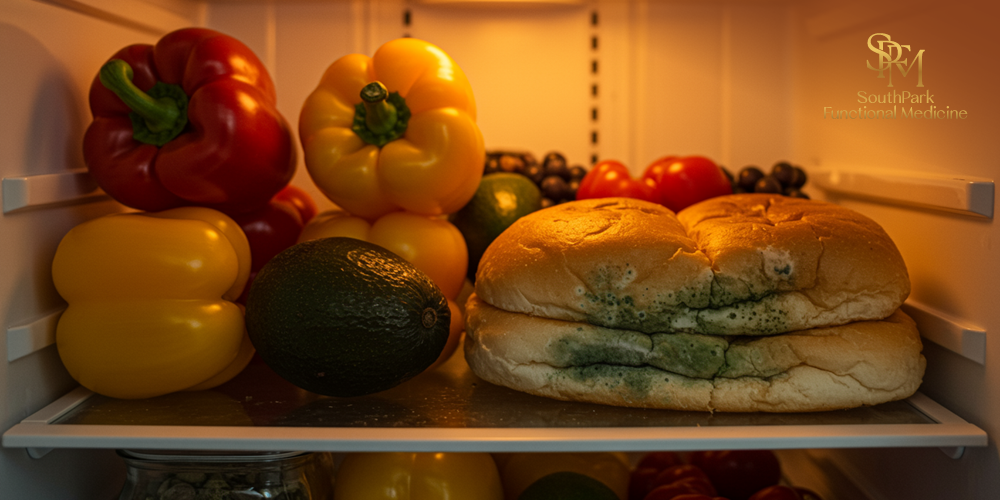
Mycotoxins are byproducts, or metabolites, of mold and fungi. Mold typically grows in warm, humid environments, such as in homes with poor ventilation or in bathrooms with water damage. It can also grow on foods, coffee beans, and dietary supplements exposed to mold during the manufacturing, storage, and transport processes.
There are more than 300 types of known mycotoxins. Aflatoxins, ochratoxins, fumonisins, patulin, zearalenone, and deoxynivalenol are some of the most common mycotoxins we encounter in our daily lives.
Under normal circumstances, these toxins are naturally eliminated from our bodies through sweat, exhalation, and waste. But excess exposure can lead to buildup and major toxicity that opens the door to countless health problems.

Why Are Mycotoxins Harmful?
Mycotoxins can interfere with a wide range of bodily processes. For instance, they can upset the gut microbiome, causing digestive problems such as constipation, diarrhea, nausea, and abdominal pain. They can lower your immunity, making you sick more frequently. They also drive inflammation to increase your risk for chronic diseases, including cancer.
The immunosuppression that occurs with excess mycotoxin exposure can lead to bacterial, viral, and fungal infections—especially in the gut and respiratory tract, which are common spots of mold colonization in the human body. In fact, many instances of mycotoxicity remain undiagnosed when general physicians shift their focus to controlling and treating these other infections.
Symptoms of Mycotoxin
Illnesses and conditions commonly related to mycotoxin poisoning include:
- Fatigue and extreme tiredness
- Weakness
- Headache and migraine
- Poor memory and concentration
- Joint pain
- Muscle stiffness
- Numbness and tingling sensations
- Shortness of breath
- Chronic cough
- Congestion
- Changes in appetite
- Problems with body temperature regulation
- Increased thirst
- Increased urination
- Vision changes
- Mood swings
- Excess sweating
- Abdominal pain
- Diarrhea
- Constipation
- Bloating
- Metallic taste in mouth
- Tearing eyes
- Confusion
- Lightheadedness
- Vertigo
Mycotoxicity can affect anyone, but the populations most vulnerable include older adults, infants, young children, and people living with chronic conditions such as heart disease, diabetes, and asthma. Additionally, symptoms of mycotoxicity may be exacerbated with behaviors such as smoking, alcohol use, and lack of physical activity.
Mycotoxins You Should Be Familiar With
Of the more than 300 mycotoxins known, there are a few prominent toxins—particularly those found in foods—known to cause serious health problems in humans: aflatoxins, ochratoxin A, and zearalenone.
Aflatoxins
Produced by Aspergillus molds, aflatoxins are linked to immune system suppression, kidney damage, liver cancer, and birth defects. These toxins may be found in contaminated milk, Brazil nuts, pistachios, peanuts, corn, and rice.
Ochratoxin A
Produced by Aspergillus and Penicillium molds, ochratoxin A can damage neuronal cells, increasing the risk of severe neurological problems. It is known to cause kidney damage in animals, and is suspected to contribute to cancer in humans. Ochratoxin A may be found in contaminated coffee, grapes, wine, and grains, and typically grows when these foods are stored in damp and moldy environments.
Zearalenone
Produced by Fusarium molds, zearalenone can affect the endocrine system to cause a range of reproductive problems. Hormone imbalances triggered by zearalenone toxicity may lead to early puberty and cancers of the ovaries, cervix, prostate, and breasts. This mycotoxin can be found in contaminated grains including rice, wheat, corn, oats, and sorghum.
Daily Exposure to Mycotoxins
Mycotoxins are everywhere, and many of us may encounter them daily. Fortunately, there are many practical ways to stay safe and reduce your exposure. Here are tips that may help:
- Handle water leaks and damage. Leaky pipes and faucets can promote moisture and mold growth. If your home is having water problems, address them immediately to avoid mycotoxicity.
- Control indoor humidity. Keep your home humidity level between 40 and 60% to prevent mold and fungi growth.
- Keep kitchens and bathrooms clean. Clean and disinfect these rooms often to eliminate mold and fungi that originate from substances like standing water, soap scum, and expired food.
- Store food properly. Make sure food containers are sealed properly for protection against moisture, and keep foods out of direct heat and sunlight.
- Inspect foods carefully before eating. This is especially important for grains, nuts, and coffee beans—all of which are highly susceptible to mold.
- Eat a balanced diet. Healthy whole foods such as fruits, vegetables, and fish can combat mycotoxicity and support the body’s natural detox process. Foods such as these are also loaded with vitamins that mitigate the harmful effects of mycotoxins.
- See a functional medicine doctor. A functional medicine physician can provide personalized advice and develop a comprehensive detox plan that may include binders and anti-fungal treatments.
How do you know if you have mold in your body?
Symptoms of mycotoxin exposure, such as headaches and joint pain, are similar to those of many other health conditions, which can make it difficult to determine if this is the root cause.
Our expert functional medicine doctor, Dr. Mahtani, can review your medical history and talk to you about your symptoms to identify the root cause of your mycotoxin poisoning.
Early signs of mycotoxin exposure include:
- Sudden, unexplained health problems
- Symptoms that show up only in a specific environment, such as at home or work
- Indoor leaks or water problems at home
- Musty odor at home, which could indicate the presence of mold
- Discoloration of walls, carpets, and/or ceilings
- Burning sensation in the eyes, ears, and/or nose
SouthPark Functional Medicine Can Treat Mycotoxicity
Dr. Mahtani is a functional medicine physician in Charlotte, NC, who can treat mycotoxicity and help you achieve greater wellness. Contact Dr. Mahtani today at 980-414-4600 or email reception@southparkfm.com to request a consultation and learn more about how we can help.
FAQ
How can I find a doctor specializing in mold toxicity?
If you suspect mold exposure, it’s important to work with a specialist who understands how environmental toxins affect your body. SouthPark Functional Medicine in Charlotte by Dr. Sarita Mahtani offers comprehensive testing and personalized treatment plans for mold toxicity and mycotoxin-related illness. She focuses on identifying root causes and helping patients recover naturally through detoxification and gut healing protocols.
How Functional Medicine Detects and Treats Mycotoxin Exposure
At SouthPark Functional Medicine, mycotoxin exposure is assessed using advanced urine mycotoxin testing and other biomarkers that reveal the body’s toxic burden. Once identified, treatment includes:
- Removing ongoing mold exposure
- Supporting natural detox pathways
- Using medical-grade binders and nutritional support
- Repairing gut and immune function
- This holistic approach helps eliminate toxins while restoring energy and vitality.
How long does it take to get mold out of your system?
Recovery time depends on several factors exposure level, toxin type, and your body’s detox capacity. At SouthPark Functional Medicine, most patients start noticing improvements within a few months, while full detox may take six months to a year. Their personalized care ensures you recover at a safe and sustainable pace.
What are the substances produced by molds that can cause severe liver damage?
They are called aflatoxins. Aflatoxins are toxic compounds produced by certain types of mold, especially Aspergillus flavus and Aspergillus parasiticus, which often grow on corn, peanuts, and grains. They are among the most potent carcinogenic and hepatotoxic (liver-damaging) substances known.
What kills mycotoxins?
Mycotoxins are very heat-stable, meaning cooking, baking, or boiling does not destroy them.
Are mold and mycotoxins the same thing?
No, they’re not the same. Mold is a type of fungus that can grow on food, plants, and walls.
Mycotoxins are the toxic chemicals produced by certain molds under specific conditions.
Do mycotoxins ever go away?
Mycotoxins do not go away easily. They are chemically stable and can remain in contaminated food even after the mold is no longer visible or has been killed.
