
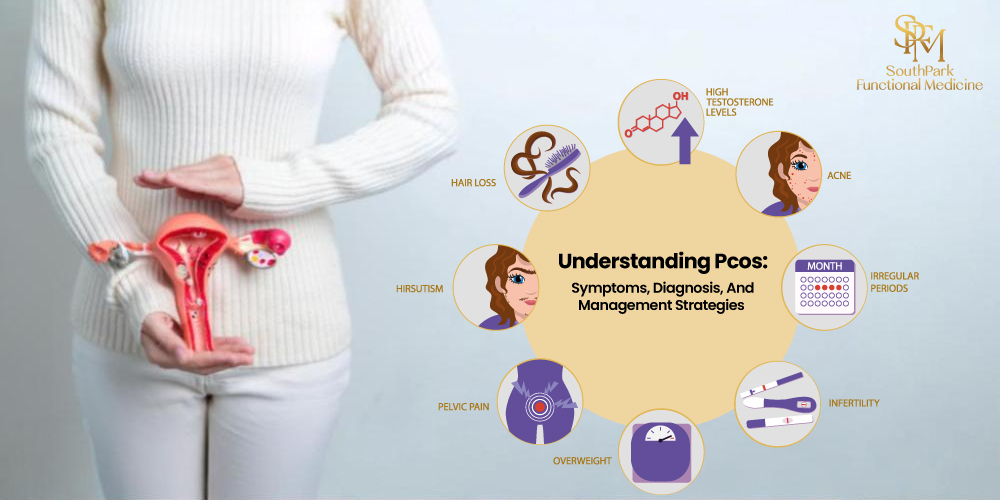
Polycystic ovarian syndrome (PCOS, now PMOS) is a condition in which the ovaries produce unusually high levels of male hormones. These hormones, known as androgens, stimulate the development of cysts in the ovaries. They may also trigger a wide range of symptoms, including acne and irregular menstrual periods.
PCOS affects every woman differently and doesn’t always cause cysts or symptoms. However, it has the potential to greatly reduce your quality of life, which is why treatment and management are highly essential.
Here’s more about PCOS symptoms and diagnosis, along with ways you can manage this condition.
What Are Symptoms of PCOS?
It is possible to have PCOS without experiencing any symptoms. Sometimes, providers diagnose this condition when women visit for other reasons, such as to treat unexplained weight gain or fertility problems.
Common PCOS symptoms, when they do occur, may include:
- Irregular menstrual periods. Your cycle may be longer or shorter than usual, or you may miss some periods. Bleeding may also be heavier than usual at times.
- Abnormal hair growth. Also known as hirsutism, excessive hair growth may occur in unwanted areas, such as the face or chest.
- Acne. Acne on your face, back, and chest are common with PCOS due to hormone fluctuations.
- Hair loss. Thinning hair and hair loss may occur.
- Fertility problems. Irregular ovulation and menstrual cycles can make it difficult to get pregnant and track when you are most fertile.
- Weight gain. You may gain weight easily or experience difficulty with losing weight.
- Darkening of skin. Dark patches may form on your neck, groin, armpits, and under your breasts.
- Skin tags. These tiny flaps of skin may develop on your neck or armpits.
- Mental health issues. Women with PCOS frequently experience anxiety, depression, mood changes, and low self-esteem.
- Insulin resistance. PCOS can interfere with blood sugar to cause insulin resistance and diabetes. In fact, more than half of women with PCOS develop type 2 diabetes by the age of 40.
How PCOS Is Diagnosed
Many symptoms of PCOS are the same as those of many other health conditions, which can make it difficult to spot in the beginning. Your provider may perform the following tests to diagnose or rule out PCOS:
- Medical history review. This can reveal whether PCOS runs in your family, or if you have any other conditions that increase the risk for PCOS, such as diabetes and insulin resistance.
- Weight and blood pressure readings. Weight gain and high blood pressure are common signs of PCOS.
- Physical exam. Your provider may look for other symptoms of PCOS such as hair loss, skin tags, and darkened skin.
- Pelvic exam and/or ultrasound. This allows your provider to inspect your reproductive organs and look for underlying causes of irregular bleeding and fertility problems.
- Blood tests. Blood testing can reveal whether your glucose levels are too high and can also identify which hormones are out of balance.
PCOS is typically diagnosed when you meet at least two of the following conditions:
- Missed or irregular periods
- Confirmation of excessively high androgen levels
- Enlarged ovaries or polycystic ovaries
PCOS Treatments
If you are diagnosed with PCOS, your provider will personalize your treatment plan based on your symptoms and overall condition. Your provider can discuss with you in more detail all your available treatment options.
Medications
Your provider may use medications to manage specific components of PCOS. For instance, with traditional treatments, they may prescribe diabetes drugs to control blood sugar, while using hormonal birth control to regulate menstrual periods. They may also use androgen blockers to block excess androgen production, which may reduce acne and unwanted hair growth.
Keep in mind that medications do not necessarily address the underlying causes of PCOS and may not treat this condition as a whole. However, your provider may recommend medications in combination with other treatments to minimize your symptoms.
Surgery
Some women with PCOS may be candidates for a surgery called laparoscopic ovarian drilling, which is when a provider uses laser technology to destroy the parts of the ovaries producing excess androgens. Surgery is typically only recommended when PCOS does not respond to other treatments.
Supplementation
Certain herbs and nutritional supplements can often help repair and correct any imbalances in the body contributing to PCOS. For instance, insulin resistance alone may be improved with omega-3 fatty acids, vitamin D, and inositol—all of which also support ovarian function and fertility.
Doctors who specialize in functional medicine can also work with you to identify your exact nutrient deficiencies. This personalized approach can lead to your taking the right types of supplements needed to achieve greater hormonal balance and fewer PCOS symptoms.

Lifestyle Changes That May Help PCOS
If you are living with PCOS, you may be pleased to know that certain healthy lifestyle changes can go a long way with helping you manage this condition. A functional medicine doctor can talk to you about which lifestyle modifications may help the most based on your personal situation.
- Diet and nutrition : Whole, nutrient-dense foods can support hormonal and reproductive health and reduce your PCOS symptoms. Aim for a diet rich in fruits, vegetables, fish, and healthy fats, and eliminate processed foods and those high in sugar.
- Physical activity : Exercise can naturally balance hormones, reduce stress, and help with weight management and weight loss. Try to exercise on most days of the week doing activities you enjoy.
- Stress management : Chronic stress and spikes in cortisol can further upset your hormone balance and worsen existing mood issues such as anxiety and depression. Find effective ways to manage stress, such as yoga, meditation, and deep breathing.
- Gut health focus : An unhealthy gut microbiome can drive inflammation, insulin resistance, and other characteristics of PCOS. Optimizing the gut can help with all these issues.
Functional medicine is a great starting point for PCOS treatment and management, as it employs a personalized approach to address your unique needs and the underlying causes of your condition.
SouthPark Functional Medicine Can Help You Manage PCOS
Our functional medicine physician, Dr. Mahtani, offers treatments for PCOS that can improve your quality of life and help you achieve greater wellness. Contact Dr. Mahtani today at 980-414-4600 or email reception@southparkfm.com to request a consultation and learn more about how our Charlotte, NC, clinic can help.
