
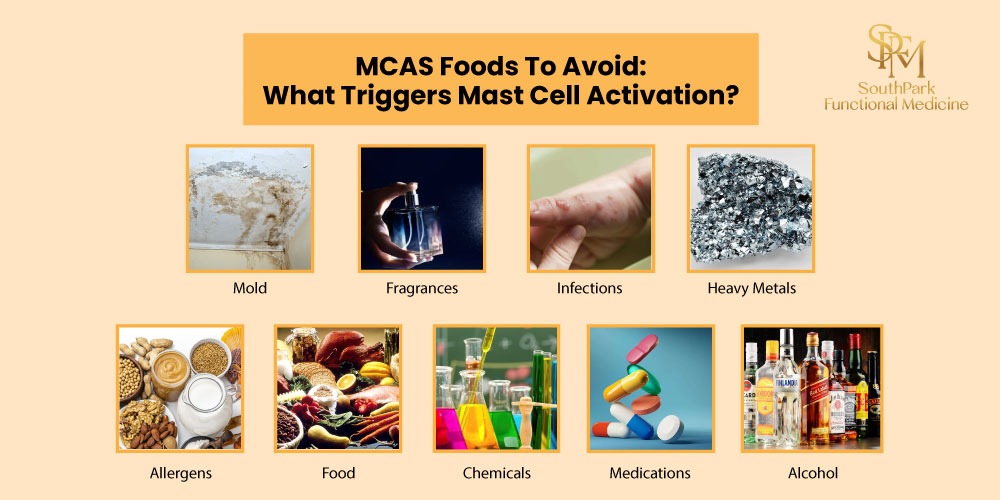
Mast Cell Activation Syndrome (MCAS) is often a complex condition due to its wide range of symptoms that can cause numerous issues throughout the body. Some people with MCAS find that certain foods make their symptoms worse, and take steps to eliminate those foods from their diet to improve their symptoms.
Being aware of foods that drive MCAS can help you manage your condition more efficiently, especially if you’re still trying to identify your triggers. Steering clear of these foods may also be a good idea if you are at risk for MCAS due to a history of infections, toxin exposure, hormonal imbalances, or other factors.
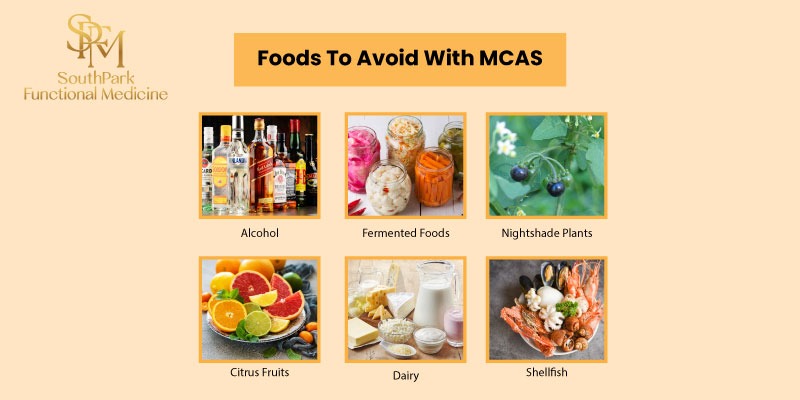
Foods to avoid with MCAS
1. Alcohol
Alcohol directly and indirectly drives the release of excess histamines, which makes it a top problem food for people with MCAS. It blocks the production of diamine oxidase (DAO)—an enzyme that helps the body break down and process histamine. An imbalance in DAO levels can often lead to greater histamine levels in the body to drive MCAS.
Alcoholic beverages with high levels of histamines include:
- Red wines, including Cabernet Sauvignon and Merlot
- Certain beers—particularly stouts, IPAs, and porters
- Champagne
- Sparking wines
- Sherry
- Port
- Whiskey
- Rum
- Flavored spirits & liqueurs, due to high amounts of additives and sugars
2. Fermented Foods
Some probiotics are known to contain and produce histamines—including fermented foods. The bacteria often involved in the food fermentation process contain an enzyme that converts certain amino acids into histamines. Fermented foods that may trigger MCAS symptoms include:
- Kimchi
- Kombucha
- Sauerkraut
- Tempeh
- Kefir
- Yogurt
- Miso
- Natto
3. Nightshade Plants & Citrus Fruits
Nightshades and citrus fruits naturally contain low levels of histamines; however, they trigger the release of histamines in your gut after you have eaten them.
Foods to avoid in these categories include:
- Tomatoes
- Spinach
- Eggplant
- Oranges
- Grapefruits
- Lemons
- Limes
4. Dairy
Many dairy products go through various fermentation processes that increase their histamine levels, while others are known to trigger a histamine response in the body. Researchers have learned that histamines accumulate in dairy due to several factors, including the yeasts used in production, lactic acid bacteria metabolism, and spoilage bacteria.
Dairy products to avoid with MCAS:
- Hard, aged cheeses such as Gouda, Parmesan, and cheddar
- Yogurt
- Kefir
- Cow’s milk
- Buttermilk
- Sour cream
- Blue-veined cheeses such as Roquefort and Gorgonzola
5. Shellfish
Shellfish contain high amounts of histamines and are one of the most common allergens worldwide. They also drive the release of histamines, much like alcohol, nightshades, and citrus fruits. MCAS triggered by shellfish may be more common in people who have a history of allergies.
Shellfish to avoid with MCAS include:
- Shrimp
- Crab
- Lobster
- Prawns
- Crawfish
- Oysters
- Scallops
- Mussels
- Octopus
- Squid
MSG, Preservatives & Other Artificial Foods
The lab-made ingredients in artificial foods can activate your mast cells to drive system- wide inflammation. Additionally, some artificial ingredients cannot be broken down and metabolized by the body, and end up being stored as fat, increasing the risk of gut dysbiosis, weight gain, and diabetes.
Artificial foods to avoid with MCAS include:
- Monosodium glutamate (MSG) and its variants, including yeast extract, autolyzed yeast, and carrageenan, to name a few
- Food dyes
- Preservatives
- Artificial flavors
- High-fructose corn syrup
- Sulfites
- Nitrates and nitrites
Identifying Your Trigger Foods
An elimination diet overseen by a physician can be a good way to identify which foods worsen your MCAS symptoms. Or, you can try eating fewer of the above foods implicated in MCAS.
Consider using a journal to track the foods you eat, which can help you identify your trigger foods. A functional medicine doctor can also work with you to develop an MCAS-friendly diet that reduces your symptoms and puts your health back on track.
MCAS Treatment With South Park Functional Medicine
Do you need help managing MCAS or think you may have MCAS based on your symptoms?
Dr. Mahtani, our functional medicine specialist, can properly diagnose your condition and work with you to create an MCAS-friendly diet that reduces your symptoms and enhances your overall wellness.
Contact South Park Functional Medicine at 980-414-4600 or email us at reception@southparkfm.com to request a consultation and learn more about how ourCharlotte, NC clinic can help.
