Beyond the Numbers: A Modern Approach to Cholesterol & Heart Health
True cardiovascular wellness requires looking beyond standard cholesterol numbers to understand the complete picture of your metabolic health. At SouthPark Functional Medicine, Dr. Mahtani conducts a deep investigation into the root drivers of lipid dysregulation, creating a strategic path toward optimizing your heart health.
What Is Hyperlipidemia/High Cholesterol?
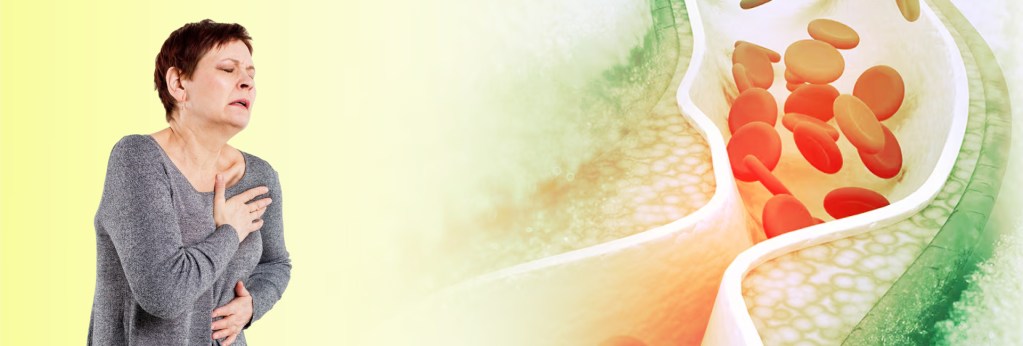
Hyperlipidemia is the medical term for high cholesterol. This condition is characterized by high levels of lipids (fats), plaques, and other substances that build up in the bloodstream. Over time, these substances can clog arteries and cause blockages that increase the risk of heart attack and stroke.
High cholesterol is commonly driven by lifestyle behaviors that affect the way your body uses cholesterol. SouthPark Functional Medicine can identify the root causes behind your condition and help you implement healthy behaviors for optimized wellness.

Our functional medicine approach looks beyond LDL and HDL to analyze key factors like particle size, inflammation markers, and insulin resistance. Dr. Mahtani’s goal is to create a personalized nutrition and lifestyle plan that addresses the true drivers of cardiovascular risk, not just the numbers on a lab report.
If you are ready to invest in a proactive approach to your health, we invite you to take the next step.
What Are The Symptoms of Hyperlipidemia/High Cholesterol?
High cholesterol doesn’t usually cause noticeable symptoms right away. However, plaque that builds up in your bloodstream over time may lead to other health issues and symptoms, including chest pain and shortness of breath.
Chest Pain
Also known as angina, chest pain can manifest if too much cholesterol builds up in the arteries that go to the heart.
Leg Cramps
Plaque that builds up in leg arteries can reduce blood flow to the legs. This may cause pain and cramping.
Shortness of Breath
Reduced blood flow to the lungs and heart on behalf of plaque buildup may cause difficulty breathing and shortness of breath.
Confusion
High cholesterol can affect blood vessels in the brain to cause imbalances in proteins and other neurotransmitters. This may lead to confusion and other cognitive issues.
Weakness in Limbs
Plaque buildup in arteries to the limbs may cause arms and legs to feel unusually weak.
Slow Wound Healing
Wounds that do not receive enough blood, nutrients, and oxygen due to clogged arteries often heal far more slowly. Wounds that seem to heal too slowly or not at all may indicate hyperlipidemia.
Dizziness
Dizziness may occur due to reduced oxygen if plaque builds up in arteries to the brain. Heart-related problems linked to cholesterol may also cause dizziness.
Hypertension
Plaque buildup in the arteries can cause them to stiffen and harden, which forces the heart to work harder at pumping blood. This may lead to high blood pressure, or hypertension.
Corneal Arcus
Some people with hyperlipidemia develop rings around the irises of their eyes, a condition known as corneal arcus. This is more common in those with the hereditary form of high cholesterol , known as familial combined hyperlipidemia.
Hyperlipidemia/High Cholesterol Explained
Contributing Factors:
Hyperlipidemia is most commonly caused by lifestyle behaviors, though it may also be caused by genetics, medications, and certain health conditions. Factors that contribute to high cholesterol include:
- Lifestyle: Poor nutrition, lack of exercise, stress, smoking, and alcohol use are top lifestyle-related factors that may cause hyperlipidemia. Smoking may lower your levels of “good” HDL cholesterol, while excess alcohol use may raise your total cholesterol level. A diet high in trans and saturated fats may also raise “bad” LDL cholesterol.
- Medications: Some medications can interfere with your cholesterol levels and cause them to fluctuate. Beta-blockers, hormonal birth control, and corticosteroids are medications commonly associated with high cholesterol.
- Health Conditions: Certain medical conditions may affect the way your body uses cholesterol—increasing the risk for imbalances that cause hyperlipidemia. Liver disease, PCOS, diabetes, sleep apnea, and obesity are some of many conditions that may trigger high cholesterol.
Benefits of Hyperlipidemia/High Cholesterol Therapy:
Treatment for hyperlipidemia can reduce your symptoms and the risk of related complications including coronary artery disease, heart attack, and stroke. Benefits of receiving high cholesterol therapy from a functional medicine doctor:
- Personalized Treatment Plan:
Dr. Mahtani, our functional medicine doctor, will create a personalized treatment plan for you based on your cholesterol levels, medical history, and the underlying causes of your condition. A personalized approach can reduce both the frequency and severity of your symptoms, and help you gain better control of your health.
- Improved Nutrition:
Nutrition plays an important role in hyperlipidemia , as certain foods can spike your LDL levels and drive inflammation to trigger other health issues. A functional medicine doctor can work with you to create a healthy and satisfying meal plan that reduces cholesterol and inflammation.
- Hormone support:
Any hormonal imbalances contributing to your hyperlipidemia are usually treated at the same time, which can reduce symptoms related to both conditions. The hormone support you receive with hyperlipidemia therapy may improve your fertility and libido, and minimize symptoms of menopause and andropause.
- Liver Support:
The liver is responsible for breaking down and metabolizing cholesterol so it can leave your body as waste. But too much cholesterol in the bloodstream can build up and stay in the liver to increase the risk for liver disease. Holistic treatment from a functional medicine doctor means you receive liver support as well, often in the form of nutritional supplementation or dietary recommendations.
- Fewer Side Effects:
Many physicians treat high cholesterol using statins, which decrease the amount of total cholesterol in the blood. However, statins also affect HDL cholesterol, and may produce side effects including headache, muscle weakness, sleep deprivation, and digestive upset.
Hyperlipidemia treatment from a functional medicine doctor is often associated with fewer side effects given its holistic and personalized nature.
Why Choose SouthPark Functional Medicine?
Because a complex condition like hyperlipidemia requires a sophisticated expert. Dr. Sarita Mahtani’s unique dual expertise as a board-certified MD and an IFM Certified Practitioner allows her to move beyond symptom management. She utilizes a precise, evidence-based methodology to identify the complex root causes of the metabolic, inflammatory, and genetic factors that contribute to lipid imbalances and creates a personalized plan for lasting results.
Choose expertise. Choose a true partner. Choose a new standard of care.


Dr. Sarita Mahtani is committed to caring for and healing patients through customized treatments.
Take the initial step towards your optimal well-being through integrative medicine in Charlotte, North Carolina.
Contact us today at 980-414-4600
Hyperlipidemia/High Cholesterol – Frequently Asked Questions
More than half of all American adults are living with high cholesterol. Getting this condition under control can reduce your symptoms, improve your quality of life, and help you avoid related complications such as heart attack and stroke. Our clinic in Charlotte, NC, offers personalized and holistic hyperlipidemia treatment.
What Causes Hyperlipidemia?
Lifestyle factors are the most common causes of hyperlipidemia , which can be modified to reduce your symptoms and improve your cholesterol levels. Smoking, lack of exercise, and chronic stress are some of the many lifestyle factors that may spike LDL cholesterol.
Hyperlipidemia may also be caused by genetics, though this is far less common. It may also be caused by medications including beta-blockers and steroids, and by health conditions including HIV, diabetes, and thyroid disease.
What Are the Worst Foods for High Cholesterol?
A diet high in trans fats and saturated fats is linked to High Cholesterol . A functional medicine doctor can work with you to eliminate foods from your diet that may be contributing to your condition.
Foods that may cause high cholesterol include:
- Pizza
- Butter
- Ice cream
- Fried foods
- Pastries
- Sugar
- Fast food
- Processed meats
- Red meats
What Is Low HDL Cholesterol?
HDL cholesterol is a type of “good” cholesterol that helps protect your heart. It is responsible for moving cholesterol from the bloodstream to the liver where it can be processed and removed from the body.
The same factors that cause high cholesterol (such as smoking, lack of exercise, and stress) also cause low HDL cholesterol.
Low HDL cholesterol is classified as the following:
- Less than 45 for people aged 19 years and under.
- Less than 40 for males aged 20 and older.
- Less than 50 for females aged 20 and older.
How to Lower Cholesterol During Menopause?
Estrogen helps regulate cholesterol levels. Therefore, it is possible for cholesterol levels to spike during menopause when estrogen levels decline.
Women with high cholesterol who are also going through menopause can lower their cholesterol by making healthy lifestyle changes.
Exercise, stress management, and diet modifications are some of the many steps women can take to lower their cholesterol during menopause.
What Is Mixed Hyperlipidemia?
Mixed Hyperlipidemia is also known as familial combined hyperlipidemia. It is an inherited genetic disorder characterized by high levels of cholesterol, triglycerides, and other lipids.
Like traditional hyperlipidemia , it may increase the risk for heart attack and stroke. Mixed hyperlipidemia is extremely rare, as it affects less than 1% of the population.
Dr. Mahtani at SouthPark Functional Medicine in Charlotte, NC, can treat any type of hyperlipidemia, including familial combined hyperlipidemia.